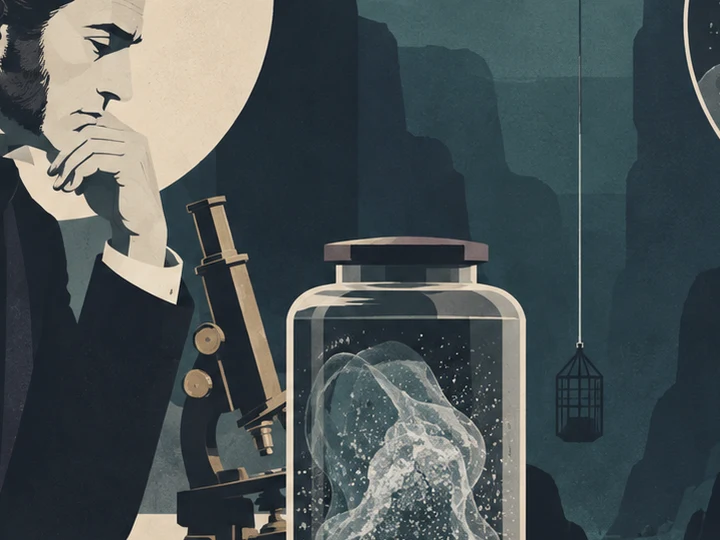
Bathybius Lived Only in the Bottle
The deep-sea mud was real. The supposed primordial life appeared when alcohol met the sample. In 1868, Thomas Henry Huxley gave a scientific name to something that had been sitting in a bottle since 1857.
The deep-sea mud was real. The supposed primordial life appeared when alcohol met the sample. In 1868, Thomas Henry Huxley gave a scientific name to something that had been sitting in a bottle since 1857.
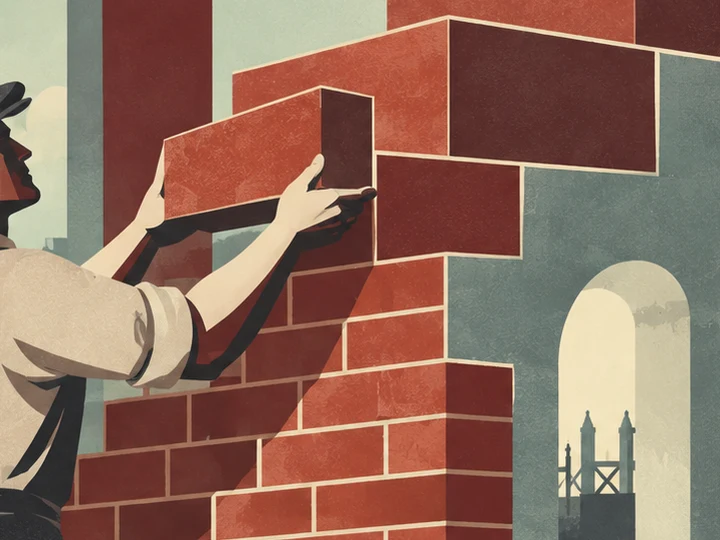
Britain taxed by the thousand; larger bricks could mean more wall per taxable unit, so size became law. Britain’s brick tax began in 1784 with a wonderfully simple administrative idea: count the bricks and charge duty on the total.¹ The simplicity did not survive contact with brickmakers.

In 1893, Budapest built a newsroom that published scheduled news, markets and entertainment over telephone wires. On 15 February 1893, Budapest started publishing a newspaper that could not be folded, dropped in a puddle or used to wrap anything.
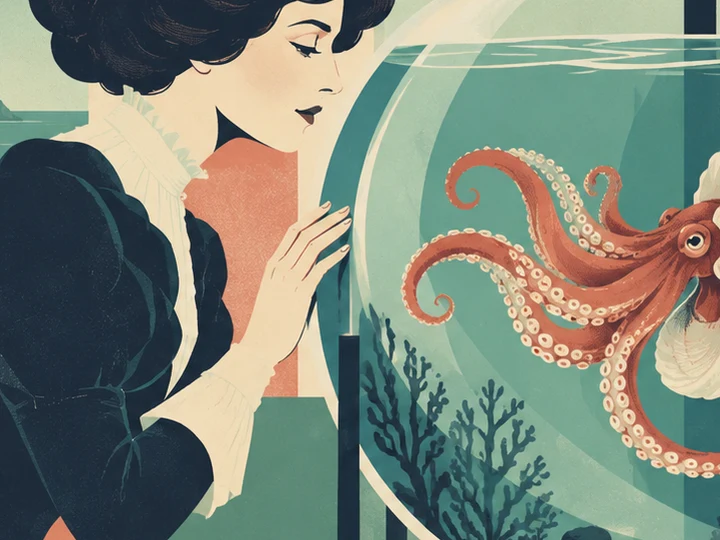
Jeanne Villepreux-Power stopped debating the paper nautilus and built a tank to watch what it actually did. In 1832, Jeanne Villepreux-Power had a problem with Aristotle.

Born in Borno, enslaved, across five continents, he later joined the Union Army—then vanished from the record. Nicholas Said’s life has one of those timelines where you occasionally have to stop and check that you haven’t accidentally combined three different people.
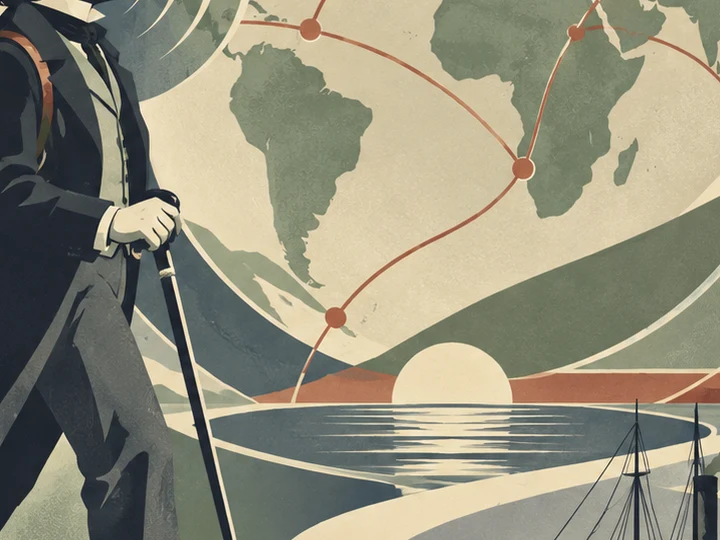
The blind naval officer was meant to live quietly at Windsor. Instead, he kept travelling the world. There are worse retirement packages than a lifetime room at Windsor Castle.

He had left Japanese-ruled Taiwan; thirty years later, empire, citizenship and home no longer lined up. In March 1974, Japan got what looked like the perfect ending to one of the strangest recurring stories of the postwar period.

His English captors wanted gold. He gave them a story good enough to finance his return. There is a very specific kind of mistake you can make as a seventeenth-century English colonizer.
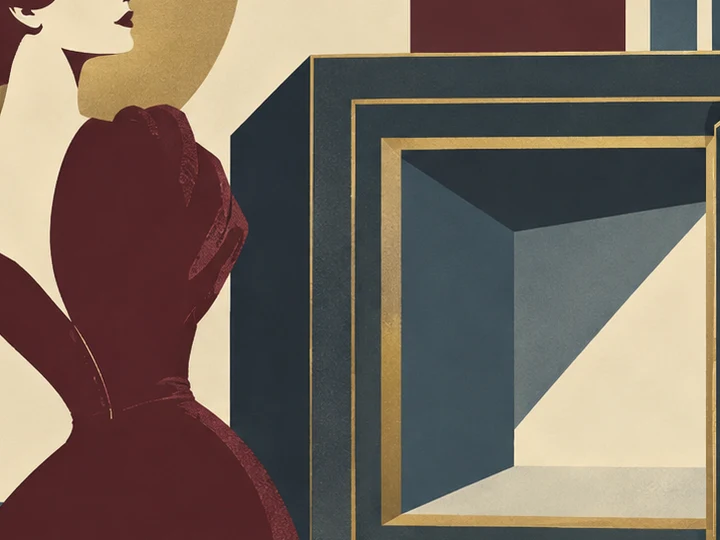
For twenty years, Humbert borrowed against a fortune that stayed convincing because nobody could inspect it. On the morning of 9 May 1902, lawyers, creditors and officials gathered around a safe inside one of the most famous private houses in Paris.¹,²
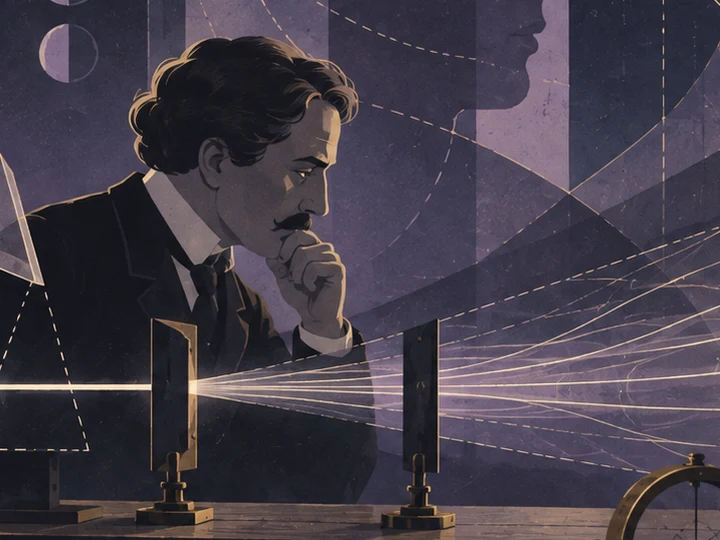
Wood removed the aluminium prism in the dark. The observers kept finding the spectrum. In 1904, American physicist Robert Wood walked into a laboratory in Nancy, France, watched a group of scientists demonstrate a new form of radiation...
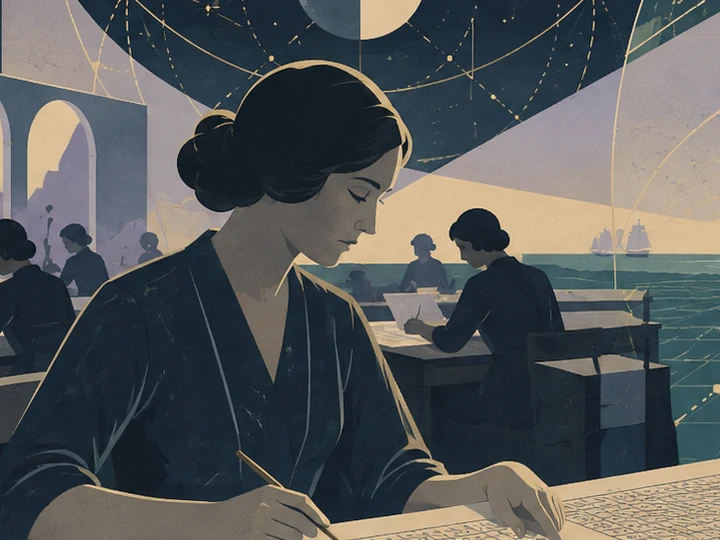
They were people: independent calculators whose disagreements caught errors before sailors inherited them. In the eighteenth century, Britain produced an annual navigation book with a quality-control system that began by assuming the person doing the arithmetic might be wrong.
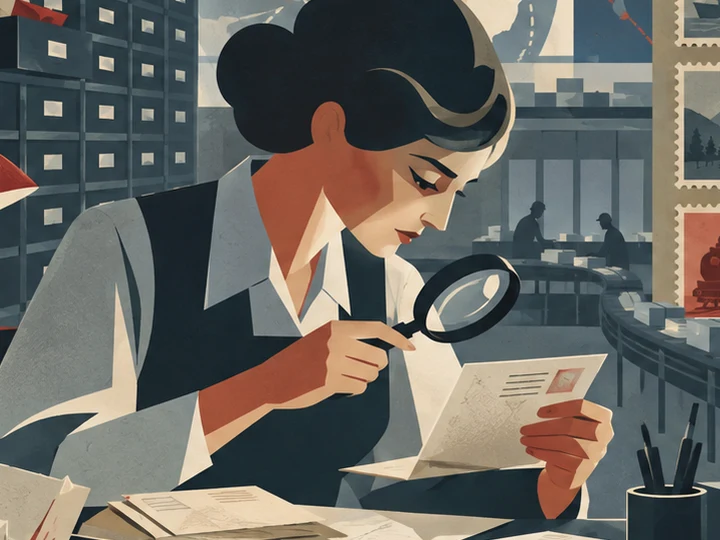
Dead Letter clerks used the envelope first—and read only the minimum when ordinary routing failed. The American postal system developed an office whose job depended on a rather awkward exception to postal privacy: sometimes the only way to deliver a letter was to open it.
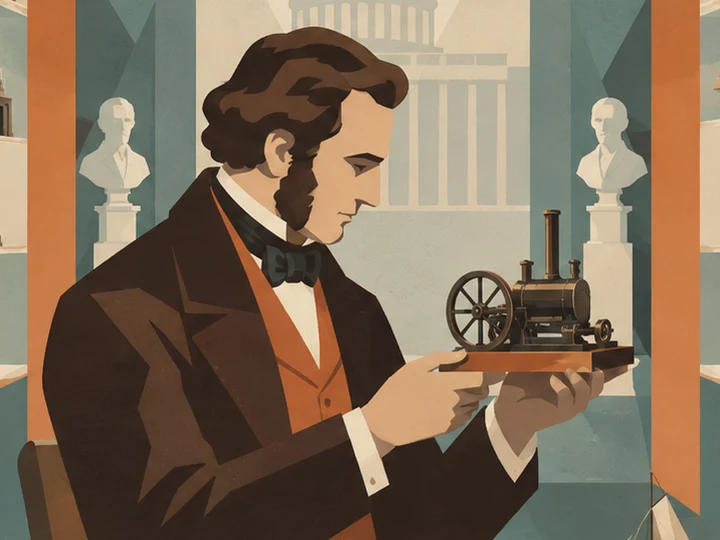
For most of the 19th century, U.S. inventors often submitted a physical model with the paperwork. For much of the nineteenth century, applying for a United States patent could involve paperwork, drawings and a small physical object that was supposed to make the paperwork easier to understand. From 1790 until 1880, the Patent Office required models for the majority of applications.¹
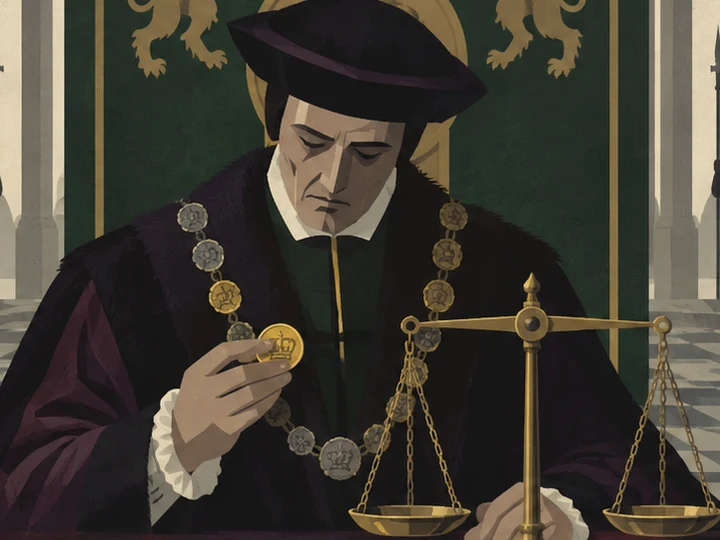
The Trial of the Pyx turns sampled coinage into evidence, with a jury, standards and a verdict. British coins can be called before a court.
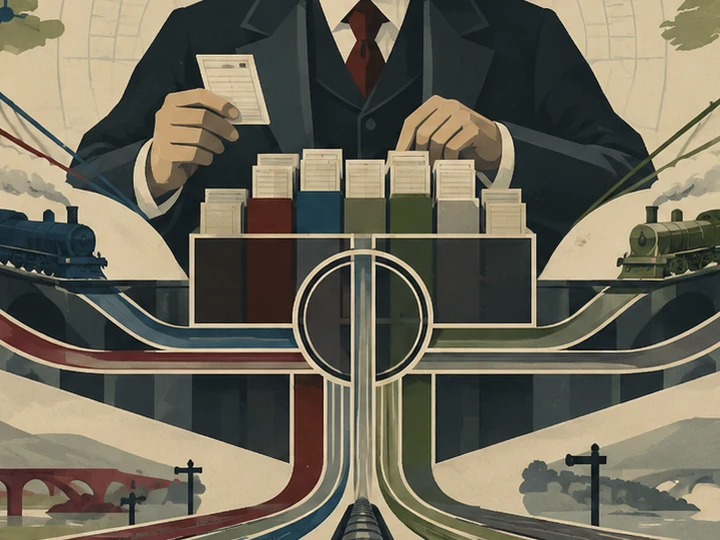
After the passenger left, the ticket went to London to divide one fare among several companies. A railway passenger could buy one ticket for a journey that crossed several privately owned railway companies. That was convenient for the passenger. It created a less romantic question for everyone who owned the track: who, exactly, got how much of the fare?¹
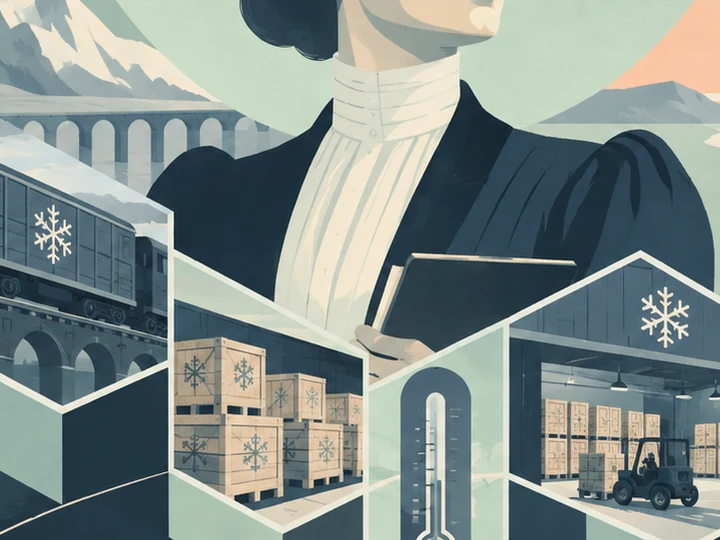
Pennington showed that safe food needed an unbroken cold journey, not one cold room. Refrigeration sounds like a property of equipment. Put food in a refrigerator, make the refrigerator cold, and the problem appears solved. Mary Engle Pennington built much of her career around demonstrating why that description was too small.
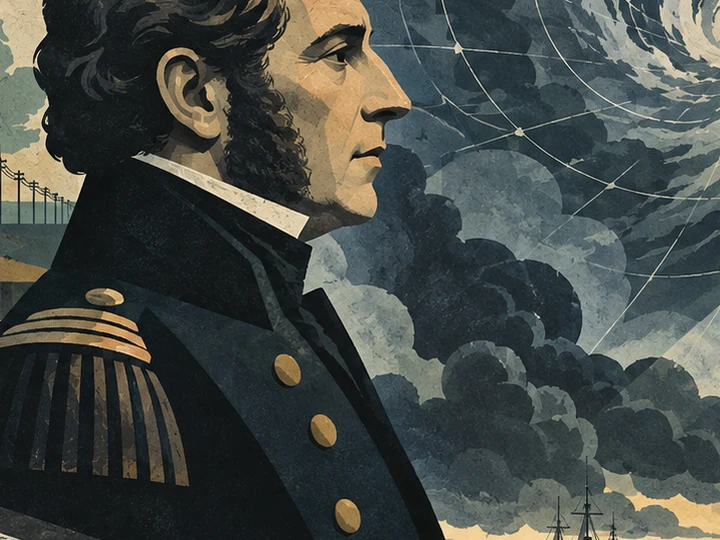
The telegraph let coastal observations reach London—and warnings return—before the gale arrived. In 1860, the Meteorological Office acquired an advantage over the weather: the electric telegraph. Coastal observations could reach London before the same weather reached another part of the coast.¹
 AdvertisementContact Vault
After months of proving she was qualified for jobs that might not exist, Mara Klein had one increasingly unreasonable request: could the employer prove it was hiring first? At 7:42 on a Tuesday morning, Mara Klein learned that her company was entering a period of strategic focus.

One sponsor bought more than bicycle space: it supplied the name history remembered. On 25 June 1894, a young Boston mother named Annie Kopchovsky left the Massachusetts State House on a bicycle and told the public she was going around the world.
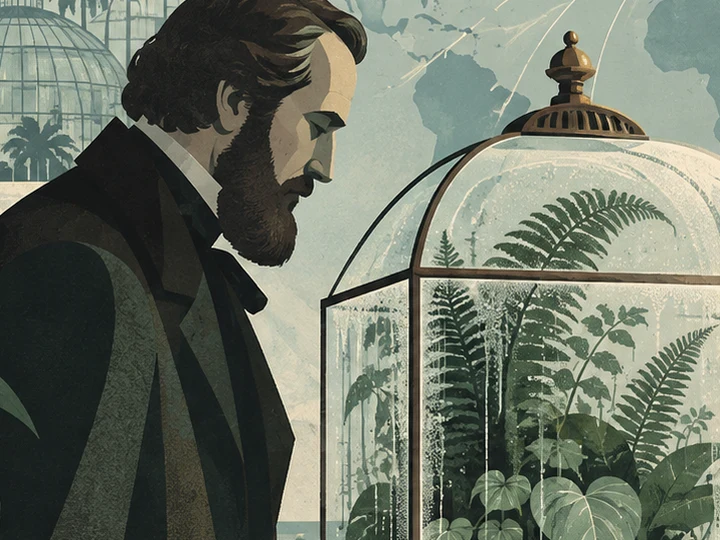
Ward’s glass case gave living cargo a stable climate for months at sea. In 1793, Kew Gardens received three baskets of plants from Penang.

The search ended. Her work in the Arctic was only beginning. In the summer of 1928, Louise Arner Boyd arrived in Norway with a ship, money, cameras, and a fairly straightforward plan.