Niche Knowledge Research Blog | ALPHA v. 0.1

instantorial

The stories you missed.

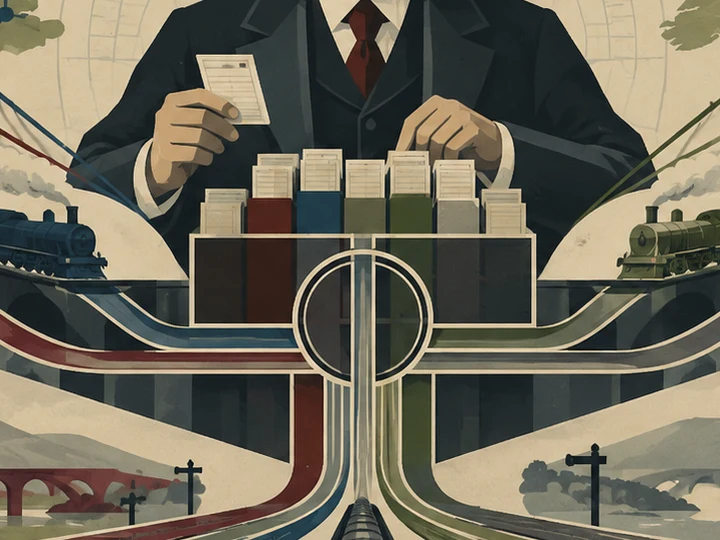
Stylized railway scene showing a clerk above converging rail lines, trains, maps and ticket-like records.
Essay

The Ticket Had a Second Job

After the passenger left, the ticket went to London to divide one fare among several companies. A railway passenger could buy one ticket for a journey that crossed several privately owned railway companies. That was convenient for the passenger. It created a less romantic question for everyone who owned the track: who, exactly, got how much of the fare?¹

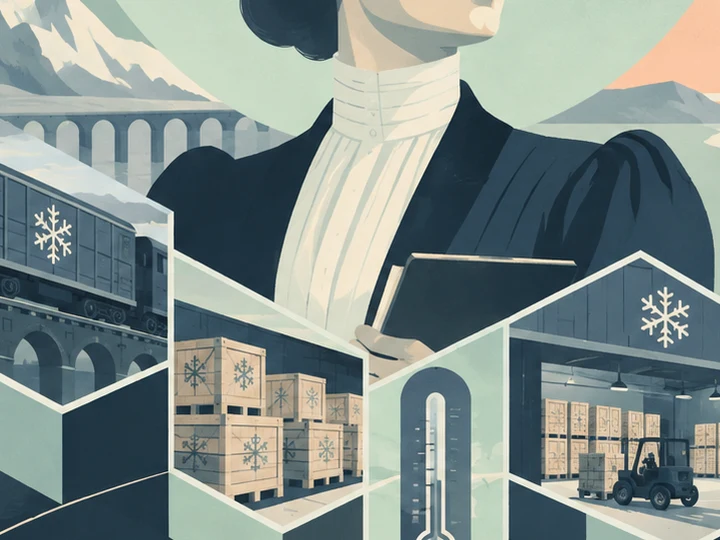
Stylized illustration of a woman overseeing refrigerated shipping boxes linked across a map-like cold-chain network.
Essay

The Cold Box Wasn’t Enough

Pennington showed that safe food needed an unbroken cold journey, not one cold room. Refrigeration sounds like a property of equipment. Put food in a refrigerator, make the refrigerator cold, and the problem appears solved. Mary Engle Pennington built much of her career around demonstrating why that description was too small.

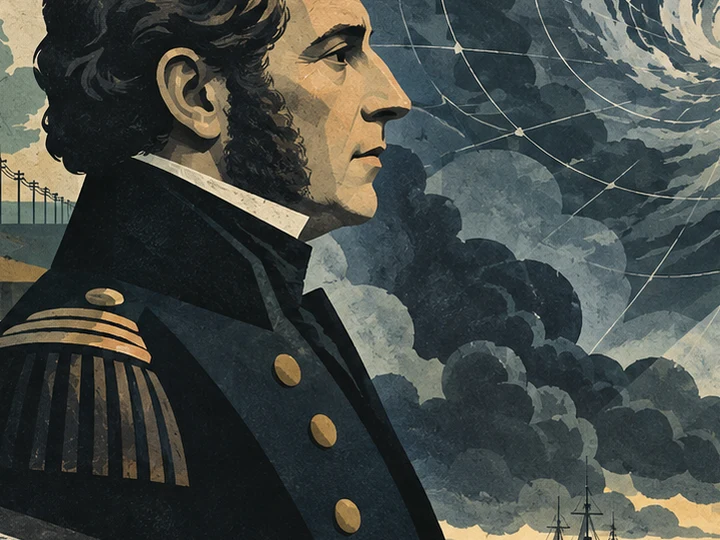
Stylized portrait of a naval officer set against storm clouds, rough seas, charts and coastal warning imagery.
Essay

FitzRoy Sent the Warning Ahead

The telegraph let coastal observations reach London—and warnings return—before the gale arrived. In 1860, the Meteorological Office acquired an advantage over the weather: the electric telegraph. Coastal observations could reach London before the same weather reached another part of the coast.¹

Illustrated sponsored-article cover about privacy and job applications.
Product

Get naked. It’s time to apply for jobs.

After months of proving she was qualified for jobs that might not exist, Mara Klein had one increasingly unreasonable request: could the employer prove it was hiring first? At 7:42 on a Tuesday morning, Mara Klein learned that her company was entering a period of strategic focus.